Primal Primer 6 (Nutrition)
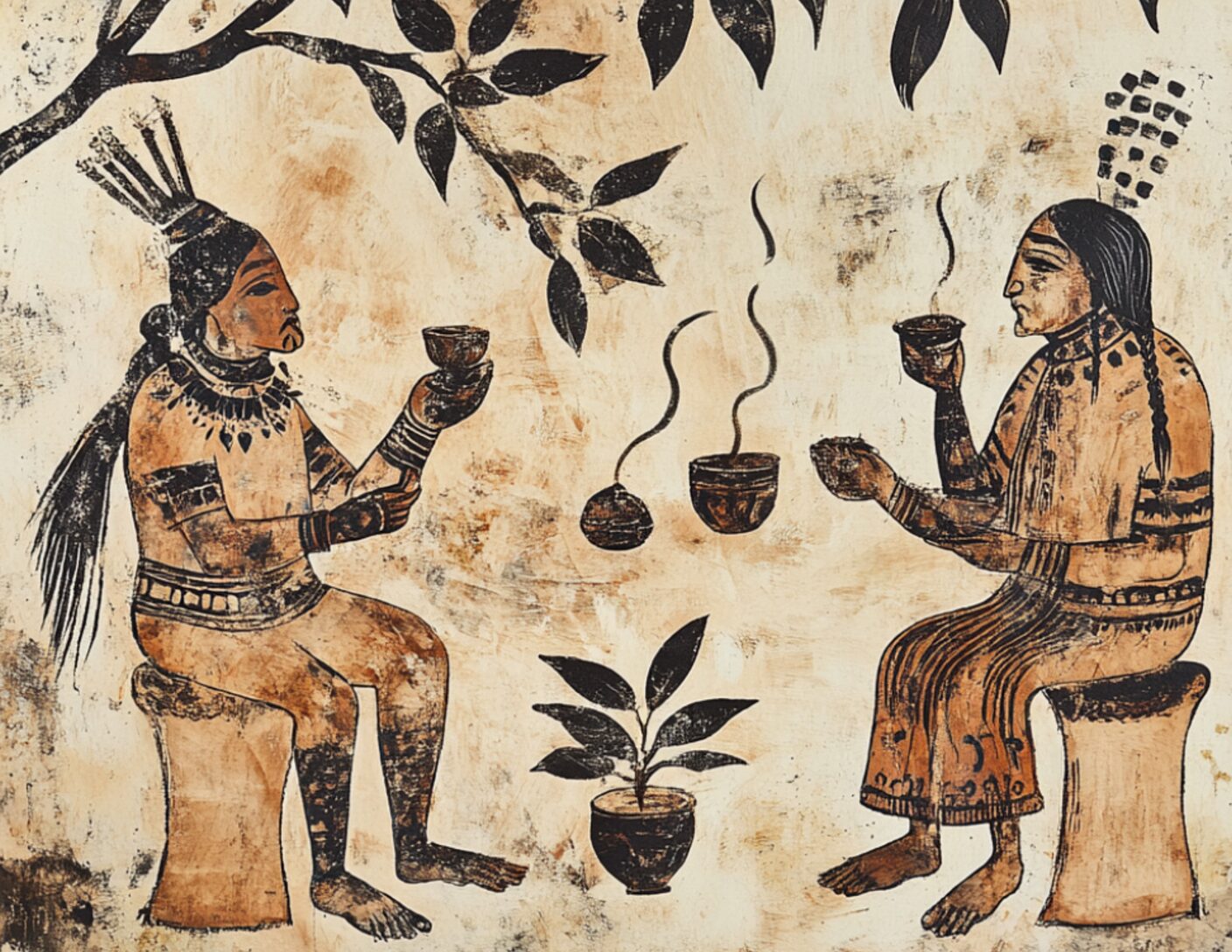
Earliest records of caffeine consumption dates back over 5,000 years in China, where fortuitous leaves from a wild tree blew into an emperor’s boiling water, producing a revitalizing effect. In Ethiopia, a goat herder observed his flock becoming more energetic after eating coffee berries. Meanwhile, the Maya and Aztec steeped cacao beans in water, using them as stimulating offerings to the gods—and for themselves of course.
Across ancient civilizations, caffeine appeared spontaneously and with its own genesis and evolution, eventually materializing into global trade. Caffeine continues its popularity today in daily ritual as industries innovate to capture and grow demand. Caffeine’s ubiquitous nature in packaged foods and beverages makes its addicting and performance enhancing attributes easily accessible to anyone, anytime, thanks to iconic coffee shops and convenience driven routes to market. This ease of attainment emphasizes needing awareness of source, amount, timing, and intention behind consumption. While caffeine enhances cognition, workouts, and systemic alertness, it can also scatter thoughts, raise blood pressure, and disrupt digestion, sleep, and recovery. As with any drug, it’s vital not to consume passively.
Using Caffeine Vs. Caffeine Using You
While caffeine supplementation can be beneficial, the ease of access in today’s world leads to an unbalanced relationship with this addictive substance. Rather than allowing caffeine to dictate your habits, aim to use it intentionally. It’s important to recognize that caffeine can either serve your goals or become an addictive consumption crutch undermining potential (especially when in absence).
~Cave Implementation~
To harness the benefits of caffeine, establish clear guidelines aligning with intention.
Plan Carefully – Caffeine has a half-life of 3-5 hours, meaning it takes that long for half of it to leave your system. Plan your intake accordingly, avoiding consumption 6-10 hours before bedtime.
Routine – Use caffeine strategically, early in the morning (not too early) to enhance cognitive function, before your first workout for thermogenic effects, and prior to challenging cognitive tasks for improved energy and focus.
Limit Dosage & Timing – Limit intake to 3-4 cups of coffee per day (~400mg of caffeine) and avoid consumption after 13:00 (depending on your bedtime); helping to prevent negative impacts on sleep and recovery.
Addiction – Stay aware of the addictive nature of caffeine. Avoid compulsive purchasing from local coffee shops and surreptitious additions to many foods and beverages leading to excessive and unintentional consumption.
Source Quality – Opt for natural and organic sources. Steer clear of chemically derived substances often with additives, artificial flavors, and preservatives.
Understand Your Intake – Know the caffeine content of what you consume—an 8-ounce cup of coffee contains about 100 mg of caffeine, while green tea has around 50 mg, diet soda about 20 mg, and energy drinks often exceeding 70 mg.
Consume Caffeine Intentionally & In Function With Goals.