
Primal Primer 15 (Nutrition)
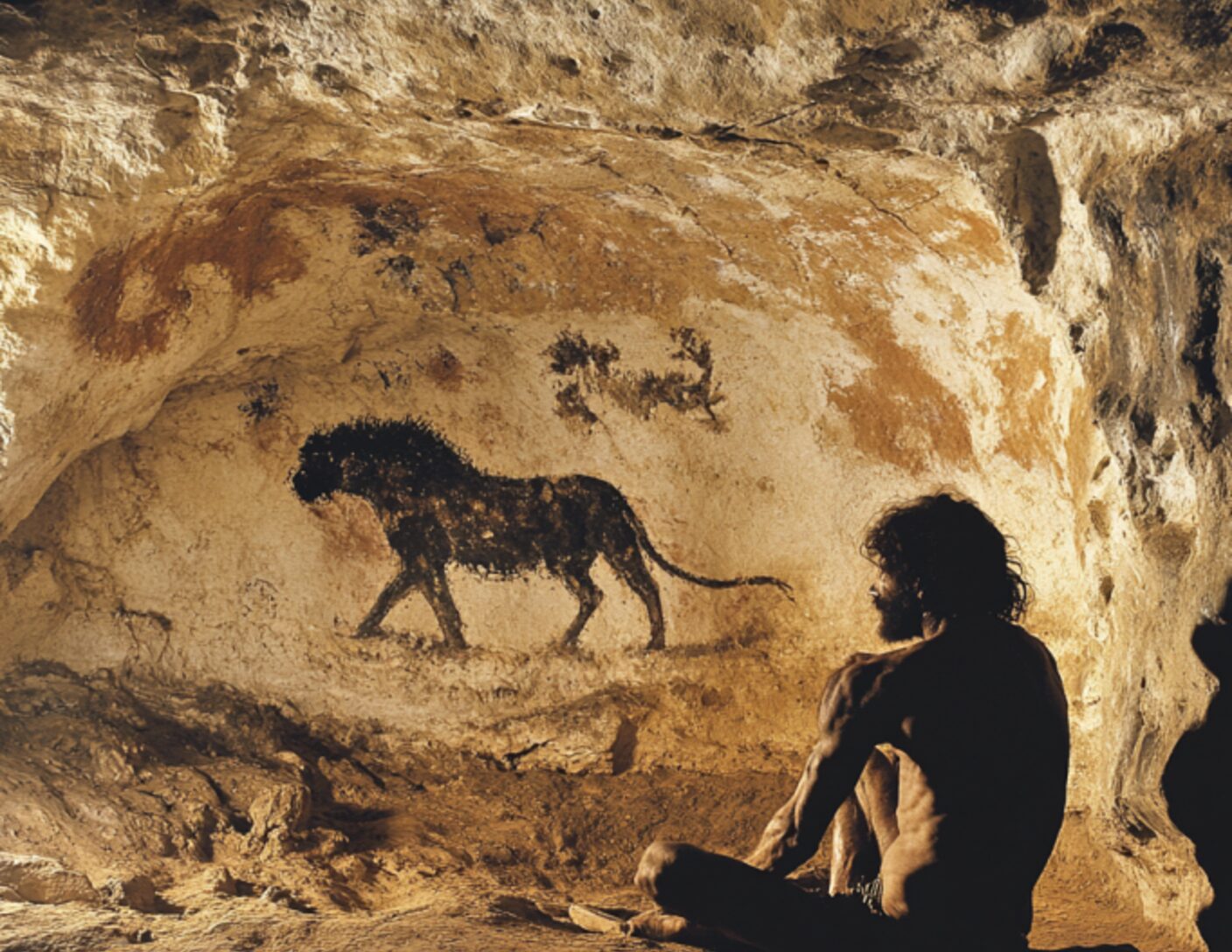
Fasting played crucial role in the longevity of ancient Homo sapiens by promoting adaptability, resilience, and physiological benefits in environments where food was limited. Scarcity is a tool that activates cascades of genetic pathways; sharpening the hunter and gather by switching on internal auditing circuitry designed for increasing long term performance.
Ancient humans did not eat every 3 hours and we shouldnt as well. Time between meals was historically chaotic and highly dependent on hunting and gathering success.
Cognitive Benefits – Fasting is linked to improved cognitive function. Periods of hunger sharpens focus, mental clarity, and problem solving abilities; all essential for hunting, gathering, and navigating challenging environments. Ketones (known as 4th fuel) produced during fasting are proven to enhance brain function and protect against neurodegenerative disease.
Metabolic Flexibility – Throughout history, food availability was inconsistent; forcing early humans to shift between energy sources like stored fat. Fasting develops metabolic flexibility, enabling efficient fat reserve use for energy when food was unavailable.
Hormone & Cell Optimizer – Fasting triggers processes like autophagy, whereby the body removes damaged cells and recalls components, leading to more efficient cell function. It also stimulates growth hormone production which aids in muscle preservation and tissue repair; helping early humans maintain physical health during when season was rough.
Improved Immune Function – Fasting promotes white blood cell regeneration; especially advantageous when frequently challenged by infections and disease.
Increased Physical Endurance – Ancient humans would often be forced to search for food in fasted states; often involving long distance travel, hunting or foraging. Fasting increases the production of norepinephrine and other chemical that heighten alertness and energy levels, activating propensity for longer periods of physical activity in search of food and eventual fuel acquisition.
Cultural & Social Adaptations – When food is scarce, groups are forced to cooperate more closely in sharing resources and knowledges of hunting and gathering. Ritualistic fasting later evolving in culture likely beginning as practical adaptations to periods of food scarcity.
Rest & Digest
The human digestive system needs down time. Re-establish relationships with food by removing constant fueling for structured periods of not digesting (intermittently). Fasting engenders increased appreciation of food, while re-creating novel neural connections. The body is designed to fast: internal programming enacted by fasting stimuli initiates cellular repair and auditing (autophagy), weight loss, and focus. Intermittent fasting transitions the body to using fat as fuel while resetting insulin sensitivity, and awakening ultra human abilities.
~Cave Implementation~
Begin elongating time between meals: first meal of the day is practical independent variable as most are approaching from 6-8 hour of fasting already from sleeping. Be consistent in your practice, and extend as comfortable. Fasting becomes easier with focused practice with unprocessed foods. Become The Master Of When You Fuel, Not Dutiful Slave To It
Become The Master Of When You Fuel, Not Dutiful Slave To It.